
You Stopped Wearing Your Retainer and Your Teeth Shifted: Now What?
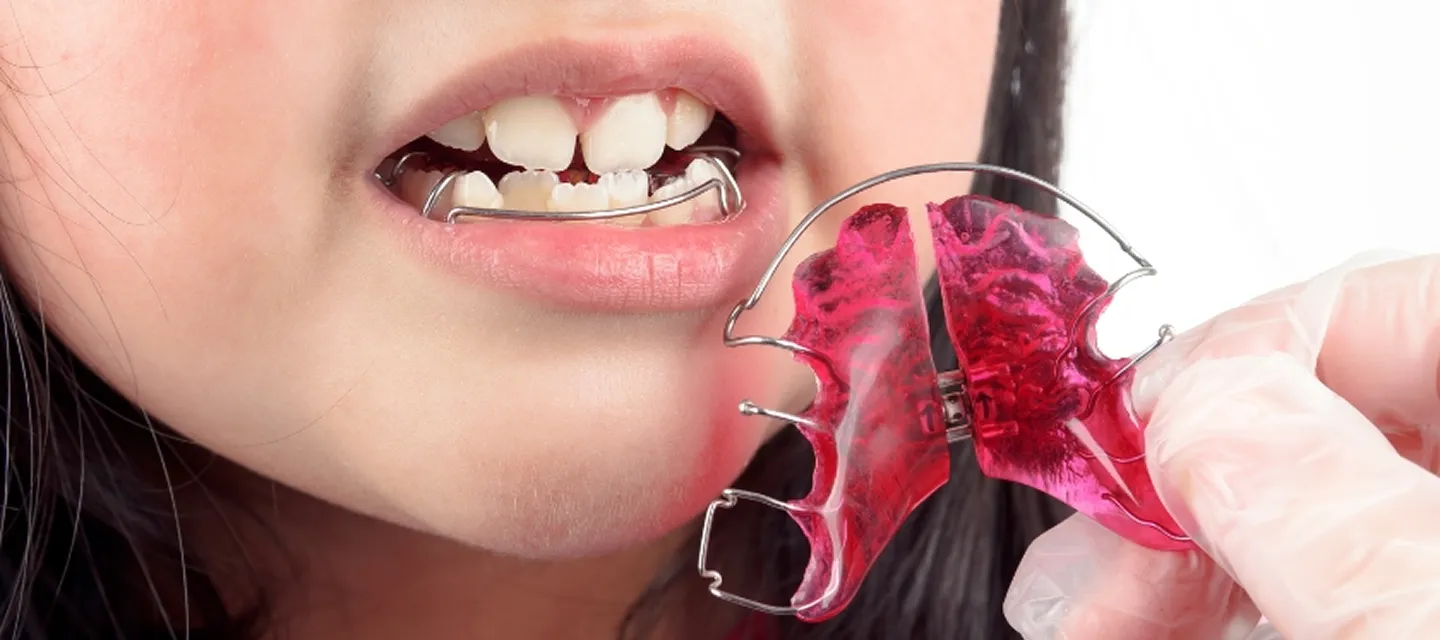
You finish orthodontic treatment, your teeth look straight, and eventually your retainer starts spending more time in its case than in your mouth.
Then one day, you notice a tooth has moved.
This is more common than many people realize. Teeth can shift after orthodontic treatment, particularly when retainers are not worn as recommended. The good news is that noticing the change early gives you an opportunity to have it assessed before deciding what to do next.
Why Do Teeth Shift After Orthodontic Treatment?
Orthodontic treatment moves teeth into new positions, but the surrounding tissues and bone need time to adapt. Even after treatment is completed, teeth naturally have some tendency to move over time.
This is why retention is considered an important part of orthodontic care.
Without consistent retainer use, teeth may gradually move away from their corrected positions. The amount of movement varies from person to person and can depend on factors such as how long ago treatment ended and individual tooth and bite characteristics.
What Happens If You Stop Wearing Your Retainer?
When retainer wear is stopped, some people notice changes relatively quickly, while others may not notice movement for a longer period.
You might see:
- A tooth becoming slightly rotated
- A small gap developing
- Front teeth becoming crowded
- Changes in the way your teeth meet
- An old retainer feeling tighter than before
- A retainer no longer fitting completely
Even a small change can be worth discussing with your orthodontist if you want to maintain your previous alignment.
Can You Just Start Wearing Your Old Retainer Again?
It depends on how much your teeth have shifted and whether the retainer still fits properly.
If your retainer fits comfortably and your orthodontist has previously advised you to continue using it, wearing it as directed may help maintain alignment.
However, do not force an old retainer onto teeth that have noticeably moved. A retainer that no longer fits properly may be a sign that your teeth have shifted beyond what the appliance can comfortably accommodate.
An orthodontic assessment can help determine the safest and most appropriate next step.
What If The Retainer Feels Tight?
A retainer feeling slightly tighter can happen when there has been a small amount of tooth movement.
However, significant pressure, pain, or an inability to seat the retainer fully should not be ignored.
Your orthodontist may recommend an examination to determine how much movement has occurred and whether your existing retainer is still appropriate.
Depending on the situation, options may include a replacement retainer, a short period of additional orthodontic treatment, or another approach based on your current tooth positions.
Does Tooth Relapse Mean You Need Braces Again?
Not necessarily.
The treatment needed depends on how much the teeth have moved and what you want to achieve.
For minor movement, your orthodontist may recommend a retainer-based approach or limited orthodontic correction. More noticeable changes may require additional treatment with clear aligners or braces.
There is no single solution for every case, which is why an examination is useful before deciding what to do.
How Long Can You Go Without A Retainer?
There is no universal timeframe after which teeth will definitely shift.
Tooth movement can occur at different rates, and some people may notice changes sooner than others. The risk of relapse does not simply disappear once orthodontic treatment has finished.
That is why your orthodontist's long-term retention plan matters. Follow the specific wearing schedule recommended for your treatment rather than relying on a general timeframe.
What Should You Do If Your Teeth Have Already Shifted?
If you have noticed your teeth moving after stopping your retainer, there is no need to panic. The most useful step is to have the change assessed rather than trying to correct it yourself.
A Simple Patient Action Plan
1. Check your retainer.
Try it only if it goes onto your teeth comfortably and does not require force. If it no longer fits properly, do not push it into place.
2. Do not try to bend or adjust the retainer yourself.
Altering the appliance can affect how it fits and may make the situation harder to assess.
3. Contact your orthodontist.
Arrange an appointment, particularly if you can clearly see tooth movement, your bite feels different, or the retainer no longer fits.
4. Bring your retainers to the appointment.
If you have more than one retainer or an older set, bring them with you. Your orthodontist can check their fit and condition.
5. Explain your retainer history.
Let your orthodontist know when you stopped wearing the retainer, how often you previously wore it, and when you first noticed the teeth shifting.
6. Follow the recommended next step.
Depending on the amount of movement, your orthodontist may recommend continued retainer use, a replacement retainer, or additional orthodontic treatment such as clear aligners or braces.
Getting an assessment early can make it easier to understand what has changed and which option is appropriate for your current alignment.
Can Shifted Teeth Be Corrected?
Often, orthodontic treatment can be used to improve tooth alignment again. The appropriate approach depends on the extent of movement, your bite, your previous treatment, and your current goals.
In some cases, a new retainer may be enough to maintain the current position. In others, additional orthodontic movement may be recommended before a new retention plan is established.
The earlier you have noticeable changes assessed, the more options your orthodontist may have for managing them.
Retainers Are Part of The Treatment, Not The End of It
It can be tempting to think of orthodontic treatment as finished once the braces or aligners come off. In reality, retention is an ongoing part of maintaining the result.
If you stopped wearing your retainer and have noticed that your teeth are shifting, do not panic and do not assume you need to start your entire orthodontic treatment again.
An orthodontic evaluation can determine how much movement has occurred and what, if anything, needs to be done next.
Noticing Your Teeth Have Shifted?
If your teeth have moved after you stopped wearing your retainer, Dr. Parijat Pallav can assess your current alignment and discuss suitable options for restoring or maintaining your results.
Frequently Asked Questions
Q: Can teeth shift after years of wearing a retainer?
A: Yes. Teeth can continue to change position over time, which is why long-term retention is often recommended after orthodontic treatment. Your orthodontist can advise you on the appropriate retainer schedule for your situation.
Q: My old retainer still fits, but it feels tight. Is that normal?
A: A slightly tighter fit can occur if there has been some tooth movement. However, if the retainer causes significant pain or does not seat properly, it is better to have it assessed rather than forcing it into position.
Q: Do I need braces again if my teeth have shifted?
A: Not necessarily. Minor changes may sometimes be managed with a retainer or limited orthodontic treatment, while more noticeable movement may require additional braces or clear aligner treatment.
Q: Can I wear my retainer only when my teeth start shifting?
A: Retainers are generally intended for ongoing maintenance rather than occasional use only when movement becomes noticeable. Follow the wearing schedule recommended by your orthodontist.
Q: Is it too late to fix teeth that have shifted after braces?
A: It is not necessarily too late. The appropriate treatment depends on how much your teeth have moved and your current bite and alignment. An orthodontic assessment can help determine what options are available.
Our Location

)

