Gaps Between Teeth: Treatment Options
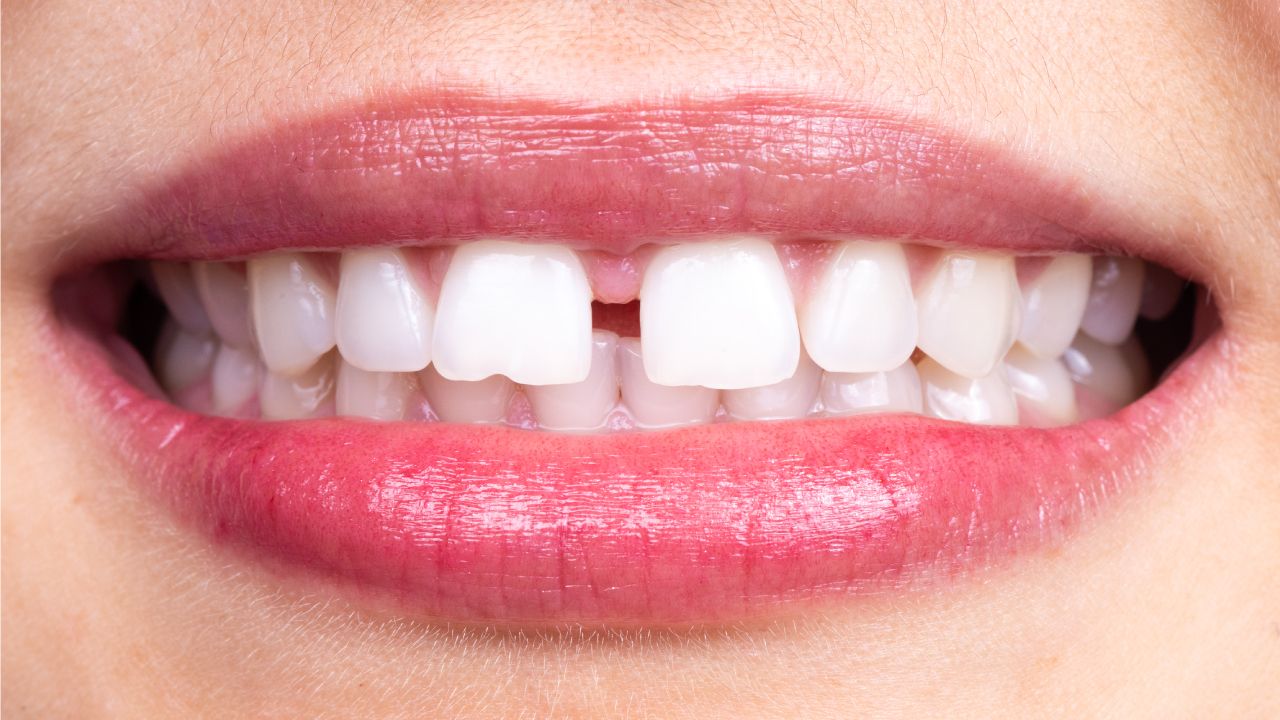
Gaps between teeth, also known as diastema, are spaces that appear between two or more teeth. While some gaps are minor and mainly cosmetic, others may contribute to dental concerns such as misalignment, food trapping, speech issues, or bite problems. Understanding the causes and available treatment options helps maintain oral health while also improving smile aesthetics.
Dr. Parijat Pallav emphasizes that early evaluation and personalized care are important for effective management. Common causes include genetics, missing or undersized teeth, gum problems, habits like thumb sucking, or an oversized frenum (tissue between the front teeth). Treatment options may include orthodontic braces or aligners, dental bonding, veneers, or corrective procedures depending on the underlying cause. Consulting a dental professional ensures the most suitable approach for both function and appearance.
What Are Gaps Between Teeth
A gap between teeth is a space that occurs naturally or due to certain dental conditions. They can appear anywhere in the mouth but are most noticeable between the two upper front teeth.
While diastema is common in children and may close naturally as permanent teeth erupt, persistent gaps in adults often require evaluation.
Causes of Gaps Between Teeth
Genetic Factors
- Some individuals inherit naturally spaced teeth due to jaw size and tooth size differences.
- Thumb Sucking or Tongue Thrusting
- Prolonged habits during childhood can push teeth apart, creating gaps.
Missing Teeth
- Loss of a tooth can cause neighboring teeth to shift, resulting in spaces.
- Periodontal (Gum) Disease
- Bone loss from gum disease can lead to teeth drifting and gaps forming.
Frenum Abnormalities
An unusually large labial frenum (the tissue connecting the upper lip to the gums) can prevent teeth from coming together.
Natural Growth in Children
Temporary gaps in children are often normal and may close as permanent teeth emerge.
Why Treating Gaps Matters
- Aesthetic Concerns: Gaps can affect confidence and smile appearance.
- Speech Issues: Spaces may lead to difficulty pronouncing certain sounds.
- Bite and Chewing Problems: Misaligned teeth can cause uneven bite pressure.
- Oral Health Risks: Food accumulation in gaps increases the risk of decay and gum disease.
Dr. Parijat Pallav emphasizes that treatment not only improves aesthetics but also prevents functional complications.
Treatment Options For Gaps Between Teeth
Orthodontic Treatment (Braces Or Clear Aligners)
Braces gradually move teeth closer together by applying controlled pressure over time. Clear aligners are a more discreet alternative, especially popular among adults and adolescents. These options are particularly effective when gaps are accompanied by misalignment or multiple spacing issues.
Dental Bonding
This involves applying a tooth-colored resin to fill small gaps. It is a quick, minimally invasive, and cost-effective cosmetic solution, often completed in a single visit. Dental bonding works best for minor spacing concerns.
Veneers
Veneers are thin porcelain or composite shells placed on the front surface of teeth. They help close gaps while also improving tooth shape, color, and overall smile aesthetics. The procedure usually requires minimal tooth preparation.
Frenectomy
If a large or tight frenum (the tissue between the front teeth) is causing spacing, a minor surgical procedure called frenectomy may be recommended. It is often combined with orthodontic treatment to achieve stable, long-term results.
Dental Implants Or Bridges
When gaps are due to missing teeth, dental implants or bridges may be advised. These treatments restore chewing function, improve appearance, and help prevent neighboring teeth from shifting.
Combination Approaches
Some cases benefit from a combination of treatments, such as orthodontics followed by bonding or veneers, to achieve both functional correction and aesthetic improvement.
A dental consultation helps determine the most suitable plan based on individual needs.
Maintaining Results After Treatment
- Use Retainers: Post-orthodontic care with retainers prevents teeth from moving back.
- Regular Dental Checkups: Ensure oral health is maintained and gaps do not recur.
- Good Oral Hygiene: Brushing, flossing, and professional cleaning reduce risks of decay and gum disease.
When to Consult a Dentist
Seek professional advice if:
- Gaps are increasing or causing discomfort
- There are cosmetic concerns affecting confidence
- Speech or chewing difficulties arise
- Gaps result from missing teeth or gum problems
- You notice other dental issues alongside spacing
Early consultation allows a customized treatment plan and prevents complications.
FAQs
Q: Can gaps between teeth close naturally in adults?
A: In adults, gaps rarely close naturally. Professional treatment is usually required.
Q: Is dental bonding permanent?
A: Bonding can last several years but may require touch-ups over time.
Q: Are braces necessary for small gaps?
A: Not always. Minor gaps can often be corrected with bonding or veneers.
Q: Can gum disease cause gaps?
A: Yes. Periodontal disease can lead to bone loss and teeth drifting apart.
Q: Is treatment painful?
A: Most treatments are minimally invasive. Orthodontic adjustments may cause mild discomfort initially.
Conclusion
Gaps between teeth are more than a cosmetic concern. They can affect oral health, function, and self-confidence. Treatment options range from simple cosmetic solutions like bonding to comprehensive orthodontic procedures.
Dr. Parijat Pallav emphasizes that early evaluation and personalized treatment are key to achieving optimal results. With expert guidance, patients can restore a healthy, attractive smile while preventing future dental complications.
Consult Dr. Parijat Pallav for personalized evaluation and treatment of gaps between teeth. Early intervention ensures a confident smile and long-term dental health.
Our Location

)

