How Teeth Alignment Affects Overall Oral Health
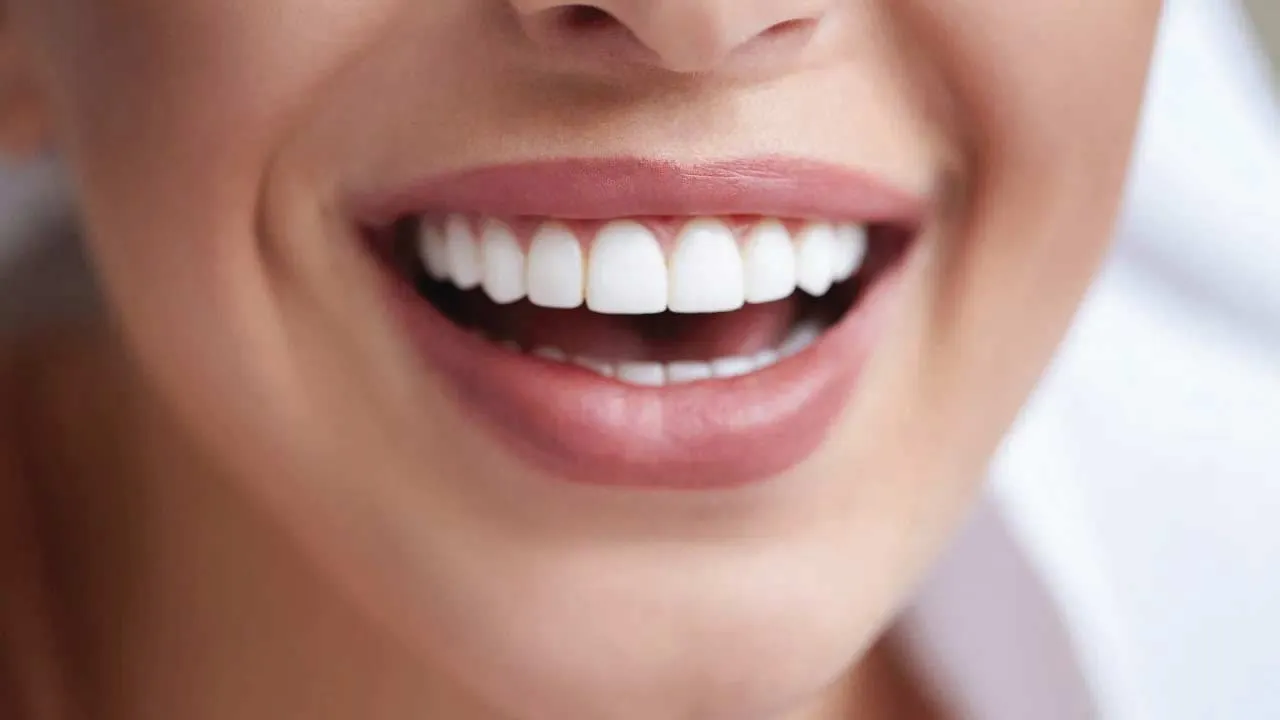
A well-aligned smile is often associated with confidence and appearance, but teeth alignment affects much more than just aesthetics. The position of the teeth and jaws plays a major role in oral health, chewing efficiency, speech, and long-term dental health. Misaligned teeth can increase the risk of several dental problems if left untreated.
At Dr. Parijat Pallav’s Dental Practice, patients receive comprehensive dental care focused on improving both oral function and smile aesthetics through personalized treatment approaches.
What Is Teeth Alignment?
Teeth alignment refers to how the upper and lower teeth are positioned when the mouth is closed. Ideally, teeth should fit together properly for smooth biting, chewing, and speaking.
Proper alignment supports:
- Efficient chewing
- Balanced jaw movement
- Easier cleaning of teeth
- Healthy gums
- Even pressure distribution during biting
When teeth are crowded, crooked, spaced unevenly, or the bite is abnormal, oral health problems may develop over time.
Common Types Of Teeth Misalignment
Several alignment problems can affect both children and adults.
Crowded Teeth
Teeth overlap or twist because there is insufficient space in the jaw.
Spacing Between Teeth
Large gaps may develop between teeth due to missing teeth, jaw size differences, or certain habits.
Overbite
The upper front teeth excessively overlap the lower teeth.
Underbite
The lower teeth extend forward beyond the upper teeth.
Crossbite
Some upper teeth sit inside the lower teeth instead of outside.
Open Bite
The upper and lower teeth do not touch properly when the mouth is closed.
How Teeth Alignment Affects Oral Health
Difficulty Cleaning Teeth
Misaligned or crowded teeth create areas that are difficult to clean properly.
This can lead to:
- Plaque buildup
- Tooth decay
- Bad breath
- Gum disease
Even regular brushing may not effectively clean tight or overlapping spaces.
Increased Risk Of Gum Disease
Poor alignment may trap food particles and bacteria around the gums.
Over time, this can cause:
- Gum inflammation
- Bleeding gums
- Periodontal disease
- Gum recession
Healthy gums are easier to maintain when teeth are properly aligned.
Uneven Tooth Wear
When teeth do not meet properly, some teeth may experience excessive pressure during chewing.
This may result in:
- Tooth wear
- Chipped teeth
- Cracks
- Tooth sensitivity
Balanced bite alignment helps distribute chewing forces evenly.
Jaw Pain And TMJ Problems
Misaligned teeth may place extra stress on the jaw joints and surrounding muscles.
This can contribute to:
- Jaw pain
- Clicking sounds
- Headaches
- Difficulty chewing
- Temporomandibular joint (TMJ) disorders
Difficulty Chewing Food
Proper alignment helps teeth break down food efficiently.
Misalignment may cause:
- Improper chewing
- Digestive discomfort from poorly chewed food
- Strain on jaw muscles
- Speech Difficulties
Teeth and jaw position influence speech clarity. Certain alignment issues may affect pronunciation and speech patterns.
Higher Risk Of Dental Injuries
Protruding front teeth are often more vulnerable to accidental fractures or trauma during falls or sports injuries.
Can Teeth Alignment Affect Overall Health?
Yes. Oral health is closely connected to overall health.
Untreated dental problems related to poor alignment may contribute to:
- Chronic gum infections
- Inflammation
- Difficulty eating properly
- Poor nutrition
- Reduced confidence and emotional well-being
Healthy teeth and gums support better overall wellness.
Causes Of Teeth Misalignment
Several factors can contribute to alignment problems.
Genetic Factors
Jaw size and tooth positioning often run in families.
Childhood Habits
Certain habits during childhood may affect jaw development, including:
- Thumb sucking
- Prolonged pacifier use
- Tongue thrusting
- Premature Tooth Loss
Early loss of baby or permanent teeth may shift surrounding teeth out of position.
Jaw Injuries
Trauma or accidents affecting the jaw can alter alignment.
Poor Oral Habits
Chronic teeth grinding or clenching may contribute to bite problems over time.
Benefits Of Proper Teeth Alignment
Correct alignment can improve both function and appearance.
Benefits may include:
- Easier oral hygiene
- Reduced cavity risk
- Healthier gums
- Better chewing efficiency
- Improved speech
- Reduced jaw strain
- Better smile confidence
Early treatment may also help prevent more complicated dental problems later.
Treatment Options For Teeth Alignment Problems
Treatment depends on the severity of misalignment and the patient’s age and dental condition.
Braces
Traditional braces gradually move teeth into proper position using brackets and wires.
Clear Aligners
Transparent aligners offer a more discreet option for selected patients.
Retainers
Retainers help maintain teeth position after orthodontic treatment.
Tooth Extraction In Selected Cases
Some patients with severe crowding may require extraction to create space.
Jaw Correction Procedures
Severe jaw alignment issues may occasionally require advanced correction procedures.
Importance Of Early Orthodontic Evaluation
Children and teenagers benefit from early dental evaluation because jaw growth and tooth development can be monitored more effectively during younger years.
Early treatment may:
- Reduce future complications
- Guide jaw development
- Prevent severe crowding
- Improve long-term oral health
Adults can also benefit from alignment treatment at any age.
Maintaining Oral Health During Orthodontic Treatment
Good oral hygiene remains important during braces or aligner treatment.
Helpful practices include:
- Regular brushing
- Flossing carefully
- Limiting sugary foods
- Regular dental checkups
- Following orthodontic instructions
Proper care helps prevent cavities and gum problems during treatment.
When Should You Consult A Dentist?
You should seek dental evaluation if you notice:
- Crooked teeth
- Difficulty chewing
- Jaw pain
- Speech problems
- Teeth grinding
- Gaps between teeth
- Crowding
- Bite problems
Early assessment can help prevent worsening alignment issues.
Conclusion
Teeth alignment affects much more than appearance. Properly aligned teeth support healthy gums, efficient chewing, balanced jaw function, and long-term oral health. Misaligned teeth can increase the risk of dental complications, discomfort, and oral hygiene difficulties if left untreated.
At Dr. Parijat Pallav’s Dental Practice, patients receive personalized dental and orthodontic care focused on improving both oral health and smile confidence through modern treatment approaches.
FAQs
Q: Why is teeth alignment important for oral health?
A: Proper teeth alignment helps improve chewing, oral hygiene, gum health, and balanced jaw function.
Q: Can crooked teeth cause gum disease?
A: Yes, crowded or misaligned teeth may trap plaque and bacteria, increasing the risk of gum disease.
Q: Do misaligned teeth affect chewing?
A: Yes, poor alignment can make chewing less efficient and place uneven pressure on teeth and jaws.
Q: Can adults correct teeth alignment?
A: Yes, adults can benefit from braces, aligners, and other orthodontic treatments.
Q: Can teeth alignment affect speech?
A: Certain alignment issues may influence pronunciation and speech clarity.
Q: When should children have an orthodontic evaluation?
A: Early dental evaluation helps monitor jaw growth and identify alignment issues before they worsen.
Our Location

)

