
Dental Implants For Diabetic Patients
Introduction
Dental implants have transformed modern dentistry by providing a permanent and natural-looking solution for missing teeth. However, patients with diabetes often worry about whether they are suitable candidates for dental implant treatment. Diabetes can affect healing, increase the risk of infection, and influence bone health, all of which are important factors for successful implant placement.
The good news is that many diabetic patients can safely receive dental implants when their condition is properly managed. With careful planning, medical evaluation, and good oral hygiene, dental implants can offer diabetic individuals the same long-term benefits as other patients.
This article explains how diabetes affects dental implant treatment, who qualifies for the procedure, and what precautions can help ensure successful outcomes.
Understanding Dental Implants
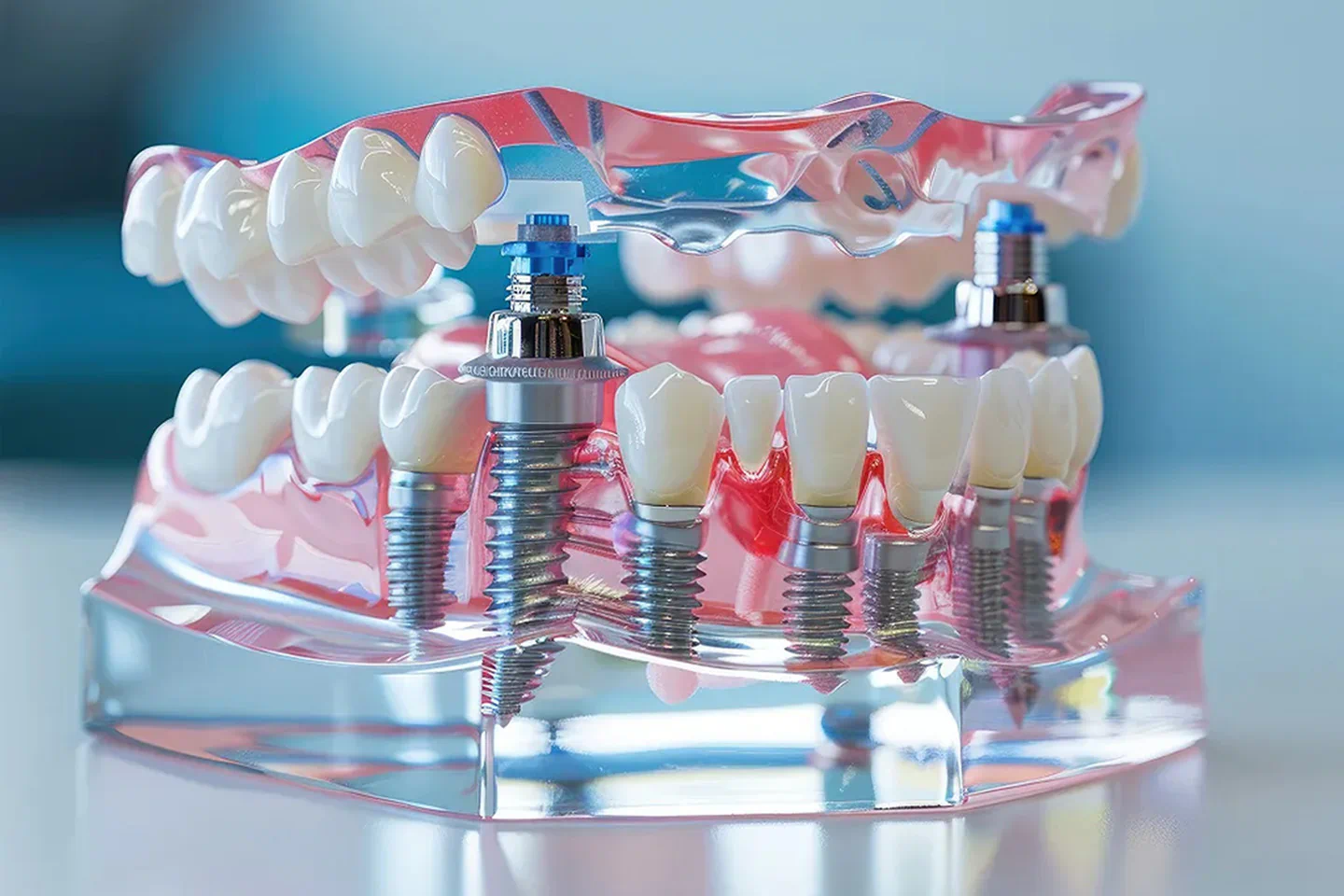
A dental implant is a small titanium post that is surgically placed into the jawbone to replace the root of a missing tooth. Once the implant integrates with the bone, it acts as a stable foundation for a crown, bridge, or denture.
Dental implants are popular because they provide several advantages over traditional tooth replacement options.
Key Benefits Of Dental Implants
- Improved Appearance: Dental implants look and feel like natural teeth.
- Better Stability: They are firmly anchored in the jawbone, preventing movement while eating or speaking.
- Preservation Of Jawbone: Implants stimulate the jawbone and help prevent bone loss.
- Enhanced Comfort: Unlike removable dentures, implants remain fixed in place.
- Long-Term Durability: With proper care, dental implants can last for many years.
For diabetic patients who have lost teeth due to gum disease or decay, implants can significantly improve oral function and quality of life.
How Diabetes Affects Oral Health
Diabetes is a metabolic condition that affects the body’s ability to regulate blood sugar levels. When blood glucose levels remain consistently high, it can negatively impact various aspects of oral health.
Common Oral Health Problems In Diabetic Patients
- Gum Disease (Periodontitis): Diabetes increases the risk of gum infections, which can lead to tooth loss.
- Delayed Healing: High blood sugar levels can slow down the body’s natural healing process.
- Dry Mouth: Reduced saliva production can increase the risk of cavities and oral infections.
- Higher Risk Of Infection: The immune response may be weakened, making it harder to fight bacteria.
These factors are important to consider when planning dental implant treatment.
Are Dental Implants Safe For Diabetic Patients?
Yes, dental implants can be safe and effective for diabetic patients, especially when diabetes is well controlled. Numerous clinical studies have shown that individuals with controlled diabetes have implant success rates similar to non-diabetic patients.
However, the level of blood sugar control plays a major role in determining the success of the treatment.
Factors That Influence Implant Success In Diabetic Patients
- Blood Sugar Control: Patients with stable blood glucose levels have better healing outcomes.
- Overall Health Status: Good general health supports successful recovery.
- Bone Quality And Density: Adequate jawbone is necessary for implant stability.
- Oral Hygiene Practices: Proper dental care reduces the risk of infection.
- Regular Dental Checkups: Ongoing monitoring ensures long-term implant health.
Patients with uncontrolled diabetes may face higher risks and may need to stabilize their condition before undergoing implant surgery.
Pre-Treatment Evaluation For Diabetic Patients
Before recommending dental implants, dentists perform a detailed evaluation to assess the patient’s medical and oral health.
Important Assessments Before Implant Surgery
- Medical History Review: The dentist evaluates diabetes management, medications, and overall health.
- Blood Sugar Assessment: HbA1c levels help determine how well diabetes is controlled.
- Oral Examination: The dentist checks the health of gums, teeth, and surrounding tissues.
- Jawbone Evaluation: X-rays or scans help assess bone density and structure.
- Consultation With Physician: In some cases, coordination with the patient’s doctor ensures safe treatment planning.
This thorough assessment helps reduce risks and increase the chances of a successful implant procedure.
Important Treatment Considerations
- Scheduling Morning Appointments: Blood sugar levels are usually more stable earlier in the day.
- Antibiotic Protection: Antibiotics may be prescribed to prevent infection.
- Minimally Invasive Techniques: Modern implant techniques reduce tissue trauma.
- Careful Monitoring Of Healing: Follow-up visits help detect any early complications.
By following these precautions, dentists can safely perform implant procedures in diabetic patients.
Post-Surgery Care For Diabetic Patients
Proper aftercare is essential to ensure successful healing after implant placement. Diabetic patients should pay extra attention to both oral hygiene and blood sugar management.
Essential Post-Implant Care Tips
- Maintain Good Blood Sugar Control: Stable glucose levels support faster healing.
- Practice Excellent Oral Hygiene: Brush and floss regularly to prevent infection.
- Attend Follow-Up Appointments: Regular dental visits help monitor implant stability.
- Avoid Smoking: Smoking can delay healing and increase implant failure risk.
- Follow Dietary Guidelines: Eating balanced meals helps maintain blood sugar stability.
Following these guidelines significantly improves the long-term success of dental implants.
Signs Of Implant Complications To Watch For
While complications are uncommon, early detection is important. Diabetic patients should contact their dentist if they notice any unusual symptoms.
Warning Signs After Implant Surgery
- Persistent Pain Or Swelling: Discomfort that does not improve over time.
- Bleeding Around The Implant Site: Continuous bleeding may indicate infection.
- Loose Implant Or Crown: Movement could signal poor bone integration.
- Red Or Inflamed Gums: Signs of gum infection around the implant.
Prompt dental evaluation can prevent minor issues from becoming serious problems.
Long-Term Success Of Dental Implants In Diabetic Patients
With proper diabetes management and good oral hygiene, dental implants can remain stable and functional for many years. Research indicates that implant success rates in controlled diabetic patients are comparable to those in non-diabetic individuals.
The key is maintaining a collaborative approach between the patient, dentist, and physician to ensure overall health remains stable.
Dental implants not only restore missing teeth but also improve chewing ability, speech, and confidence. For diabetic patients, this can significantly enhance quality of life.
FAQs
Q: Can diabetic patients get dental implants?
A: Yes. Patients with well-controlled diabetes can safely undergo dental implant treatment with proper medical supervision and dental care.
Q: Does diabetes increase the risk of implant failure?
A: Uncontrolled diabetes may increase the risk of infection and delayed healing, which can affect implant success.
Q: What blood sugar level is safe for implant surgery?
A: Dentists usually prefer patients to have controlled HbA1c levels before implant placement to ensure safe healing.
Q: How long do dental implants last in diabetic patients?
A: With good oral hygiene and proper diabetes management, dental implants can last many years.
Q: Is healing slower for diabetic patients after implant surgery?
A: Yes, healing can be slower if blood sugar levels are not well controlled, which is why careful monitoring is important.
Conclusion
Dental implants are a reliable and effective option for replacing missing teeth, even for patients with diabetes. Although diabetes can affect healing and increase infection risks, these challenges can be managed with proper medical control and professional dental care.
Patients with well-controlled diabetes can benefit greatly from dental implants, enjoying improved oral function, aesthetics, and overall quality of life. With careful planning, regular monitoring, and good oral hygiene habits, dental implants can provide long-lasting and successful results for diabetic individuals.
If you have diabetes and are considering dental implants, consulting an experienced dental specialist Dr. Parijat Pallav is the best way to determine whether this treatment is right for you.
Our Location

)

