
Bone Grafting For Dental Implants – When Is It Needed?
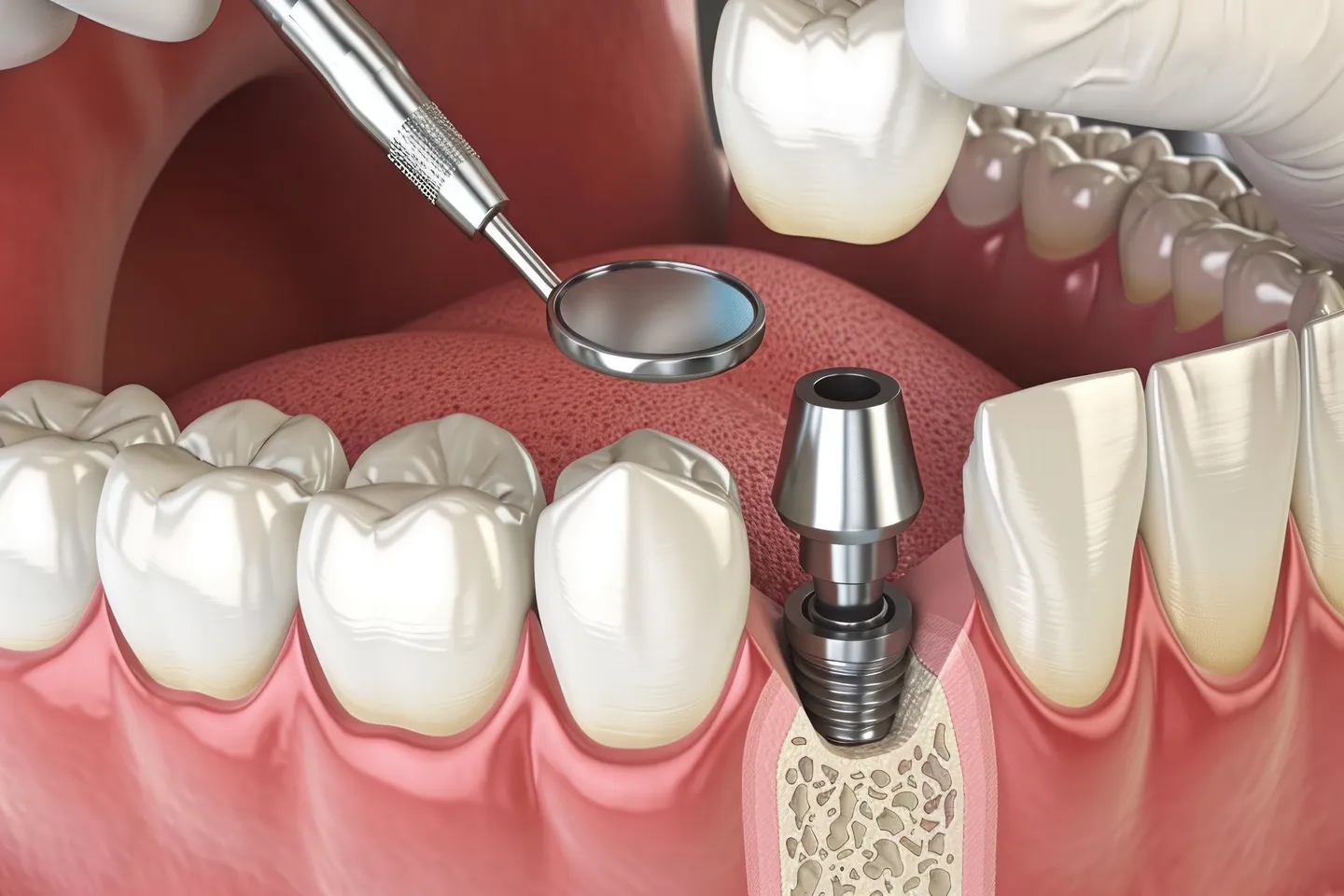
Dental implants are a reliable and long-term solution for replacing missing teeth, restoring both function and appearance with results that closely resemble natural teeth. They allow patients to chew comfortably, speak clearly, and smile with confidence—making them a preferred alternative to removable dentures or traditional dental bridges. However, successful implant placement depends not only on the implant itself but also on the health, quality, and volume of the jawbone supporting it.
When a tooth is lost, the surrounding jawbone gradually begins to shrink due to lack of stimulation. Conditions such as gum disease, trauma, long-standing tooth loss, or delayed treatment can further reduce bone density. In such situations, the jawbone may not be strong or thick enough to hold a dental implant securely. This is where bone grafting plays a crucial role.
Bone grafting helps rebuild and strengthen the jawbone, creating a stable foundation that allows dental implants to integrate properly and function safely for many years. By addressing bone loss before implant placement, bone grafting significantly improves implant success rates and long-term outcomes.
Dr. Parijat Pallav emphasizes that bone grafting is a safe, predictable, and widely practiced procedure that enhances implant stability and improves aesthetic outcomes.
What Is Bone Grafting?
Bone grafting is a procedure in which bone material is added to the jaw to provide adequate support for dental implants. This can be:
- Autograft: Bone taken from another part of your body (e.g., chin or hip).
- Allograft: Donor bone from a tissue bank.
- Xenograft: Bone derived from animals, usually bovine.
- Synthetic: Lab-made bone substitutes.
The choice of graft material depends on the location, amount of bone needed, and patient preference.
Why Is Bone Grafting Sometimes Needed?
Several conditions can lead to insufficient jawbone for implants:
- Bone Loss After Tooth Extraction: Without stimulation from a tooth root, the jawbone gradually shrinks.
- Periodontal (Gum) Disease: Infection can destroy bone supporting teeth.
- Long-Term Tooth Loss: Delayed implant placement can result in reduced bone volume.
- Trauma Or Injury: Accidents may lead to bone defects in the jaw.
- Congenital Defects: Some people naturally have insufficient bone in certain areas.
Bone grafting restores bone volume, making implants stable, long-lasting, and functional.
When Is Bone Grafting Recommended?
Bone grafting is recommended in situations such as:
- Thin Jawbone: When the bone is too narrow to hold an implant securely.
- Low Bone Height: In cases where the sinus or nerve is too close to the implant site.
- Immediate Implant Placement: After extraction, if the socket lacks sufficient bone.
- Failed Implants or Previous Bone Loss: To rebuild lost bone before re-implantation.
Your implant specialist will assess bone quality and quantity using 3D imaging (CBCT scans) to determine if a graft is needed.
Types Of Bone Grafting Procedures
- Socket Grafting: Done immediately after tooth extraction to preserve bone.
- Ridge Augmentation: Increases width or height of the jawbone for implant placement.
- Sinus Lift: Lifts sinus floor and adds bone in the upper jaw for molar implants.
- Block Grafting: Uses a solid piece of bone for significant reconstruction.
Benefits Of Bone Grafting Before Implants
- Ensures strong implant stability
- Reduces risk of implant failure
- Improves long-term functionality
- Enhances aesthetic results, especially in front teeth
- Allows proper alignment of multiple implants if needed
- Recovery And Aftercare
- Swelling, mild discomfort, and minor bruising are normal post-procedure
- Soft diet for a few days is recommended
- Maintain oral hygiene but avoid disturbing the graft site
- Follow-up visits are essential to monitor healing
- Healing can take 3–6 months before implant placement
Is Bone Grafting Safe?
Yes. Bone grafting is a routine and safe procedure when performed by an experienced dental surgeon. Complications are rare and usually minor, such as slight swelling or temporary discomfort. Using modern techniques, most patients recover quickly and experience excellent outcomes.
FAQs
Q1: How long does bone grafting take to heal?
Healing usually takes 3–6 months, depending on the graft type and location.
Q2: Will the graft material be replaced by my own bone?
Yes, over time, the graft is gradually replaced by your natural bone.
Q3: Is bone grafting painful?
Most patients experience only mild discomfort, which can be managed with prescribed medication.
Q4: Can everyone undergo bone grafting?
Most healthy patients can, but your dentist will evaluate medical conditions, oral health, and bone quality first.
Conclusion
Bone grafting plays a critical role in ensuring dental implant success. By restoring bone volume and strength, it provides a stable foundation for implants, improving both function and appearance. Dr. Parijat Pallav ensures that each patient receives a personalized treatment plan, considering bone health, implant placement, and long-term results.
If you have missing teeth or inadequate jawbone, bone grafting may be the first step toward a confident, natural smile.
Consult Dr. Parijat Pallav today to learn if bone grafting is right for your dental implant treatment and take the first step toward a strong, functional, and beautiful smile.
Our Location

)

