
Common Mistakes To Avoid During Aligner Treatment
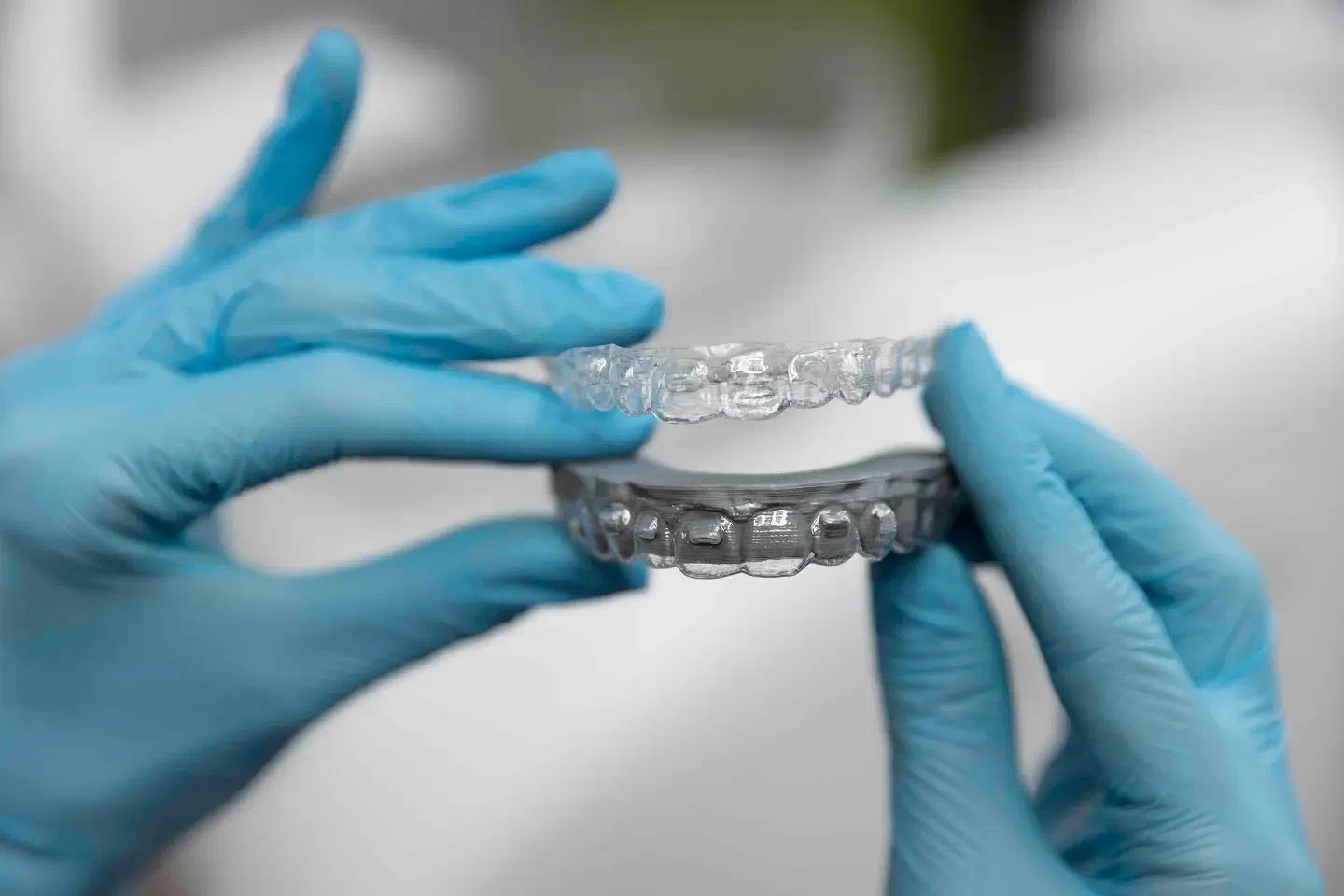
Clear aligners have become a popular orthodontic treatment option for straightening teeth because they are nearly invisible, removable, and convenient for many lifestyles. While aligners offer flexibility, successful treatment depends heavily on wearing and caring for them correctly. Unlike fixed braces, aligners rely on patient compliance to move teeth as planned.
Small mistakes may seem harmless, but they can affect how well your teeth respond to treatment and may increase the overall treatment time. Understanding what to avoid can help you stay on track and achieve the best possible outcome.
Dr. Parijat Pallav guides patients throughout their aligner journey, helping them develop healthy habits that support safe and effective orthodontic treatment.
Why Following Instructions Matters
Each set of aligners is designed to apply gentle, controlled pressure that gradually moves your teeth into their planned positions.
For this process to work effectively, the aligners must be worn as instructed by your orthodontist. Skipping wear time or failing to care for the aligners properly may reduce their effectiveness.
Mistake 1: Not Wearing Aligners Long Enough
One of the most common reasons treatment does not progress as expected is insufficient wear time.
Most patients are advised to wear their aligners for 20 to 22 hours each day, removing them only for eating, drinking anything other than water, and oral hygiene.
Wearing aligners for fewer hours may delay tooth movement and affect the fit of future aligners.
Mistake 2: Eating While Wearing Aligners
Clear aligners should always be removed before eating.
Eating with aligners in place may:
- Crack or damage the aligners
- Cause staining
- Trap food particles
- Increase the risk of bacterial buildup
Only plain water is generally considered safe to drink while wearing aligners unless your orthodontist advises otherwise.
Mistake 3: Forgetting To Brush Before Reinserting Aligners
Placing aligners back onto teeth without brushing allows food particles and bacteria to remain trapped against the teeth.
This may increase the risk of:
- Tooth decay
- Gum irritation
- Bad breath
- Staining
If brushing is not immediately possible, rinse your mouth and aligners with water until you can clean them properly.
Mistake 4: Cleaning Aligners Incorrectly
Using hot water may warp the plastic and affect the fit of the aligners.
To keep aligners clean:
- Rinse them with lukewarm water.
- Brush them gently with a soft toothbrush if recommended.
- Use cleaning products approved by your orthodontist.
- Avoid abrasive toothpaste unless advised.
Proper cleaning helps maintain clarity and hygiene throughout treatment.
Mistake 5: Skipping Aligner Changes Or Changing Them Too Early
Each aligner is designed to be worn for a specific period.
Changing aligners too soon may not allow enough time for the planned tooth movement.
Waiting too long without guidance may also affect treatment progress.
Always follow the schedule provided by your orthodontist.
Mistake 6: Losing Your Aligners
Because aligners are removable, they can easily be misplaced.
To reduce the risk:
- Store them in their protective case whenever they are removed.
- Avoid wrapping them in napkins during meals.
- Keep them away from pets, as animals often chew aligners.
If your aligners are lost, contact your orthodontist promptly for instructions.
Mistake 7: Missing Follow Up Appointments
Regular checkups allow your orthodontist to monitor tooth movement and ensure treatment is progressing as planned.
During these visits, your orthodontist may:
- Assess aligner fit
- Evaluate tooth movement
- Make treatment adjustments if needed
- Address any concerns
Skipping appointments may delay the identification of problems.
Mistake 8: Ignoring Discomfort Or Poor Fit
Mild pressure when starting a new aligner is common.
However, you should contact your orthodontist if:
- An aligner no longer fits properly
- The aligner cracks
- You develop persistent pain
- A sharp edge causes ongoing irritation
Early evaluation helps prevent unnecessary treatment delays.
Mistake 9: Poor Oral Hygiene
Good oral hygiene remains essential throughout aligner treatment.
Brush twice daily and floss regularly to reduce plaque buildup and maintain healthy teeth and gums.
Healthy gums provide better support for orthodontic tooth movement.
Mistake 10: Expecting Instant Results
Tooth movement occurs gradually.
Every patient's treatment timeline is different and depends on factors such as:
- The complexity of tooth movement
- Consistent aligner wear
- Oral health
- Individual biological response
Patience and consistency are key throughout treatment.
Tips For Successful Aligner Treatment
To help keep your treatment on schedule:
- Wear aligners for the recommended number of hours each day.
- Remove them before eating or drinking anything except water.
- Clean your teeth before reinserting the aligners.
- Store aligners safely when not in use.
- Keep all follow up appointments.
- Follow your orthodontist's instructions carefully.
- Report damaged or lost aligners promptly.
These simple habits can contribute to a smoother treatment experience.
When Should You Contact Your Orthodontist?
Schedule an appointment if you experience:
- A cracked or broken aligner
- An aligner that no longer fits
- Persistent pain
- Lost aligners
- Loose attachments
- Questions about your treatment schedule
Timely communication helps prevent unnecessary interruptions.
Conclusion
Clear aligners can be an effective and convenient orthodontic treatment option when used correctly. Avoiding common mistakes such as inconsistent wear, poor cleaning habits, and missed appointments can help keep your treatment progressing as planned. Following your orthodontist's guidance and maintaining good oral hygiene are essential for achieving a healthy, well-aligned smile.
Dr. Parijat Pallav provides personalized clear aligner treatment and ongoing support, helping patients confidently navigate every stage of their orthodontic journey.
FAQs
Q: How many hours should I wear my aligners each day?
A: Most patients are advised to wear their aligners for 20 to 22 hours daily. Your orthodontist will provide instructions based on your treatment plan.
Q: Can I drink coffee while wearing aligners?
A: It is generally recommended to remove your aligners before drinking coffee or other beverages besides plain water, as they may stain or damage the aligners.
Q: What should I do if I lose an aligner?
A: Contact your orthodontist as soon as possible. They will advise whether you should wear your previous aligner, move to the next one, or obtain a replacement.
Q: Is mild discomfort normal when changing to a new aligner?
A: Yes. Mild pressure or discomfort for a short period is common as your teeth begin adjusting to the new aligner.
Q: Can skipping aligner wear delay treatment?
A: Yes. Not wearing aligners for the recommended number of hours may slow tooth movement and affect the fit of future aligners.
If you are considering clear aligners or have questions about your current treatment, schedule a consultation with Dr. Parijat Pallav. He provides personalized orthodontic care and expert guidance to help you achieve a healthier, straighter smile.
Our Location

)

