Common Bite Problems In Children
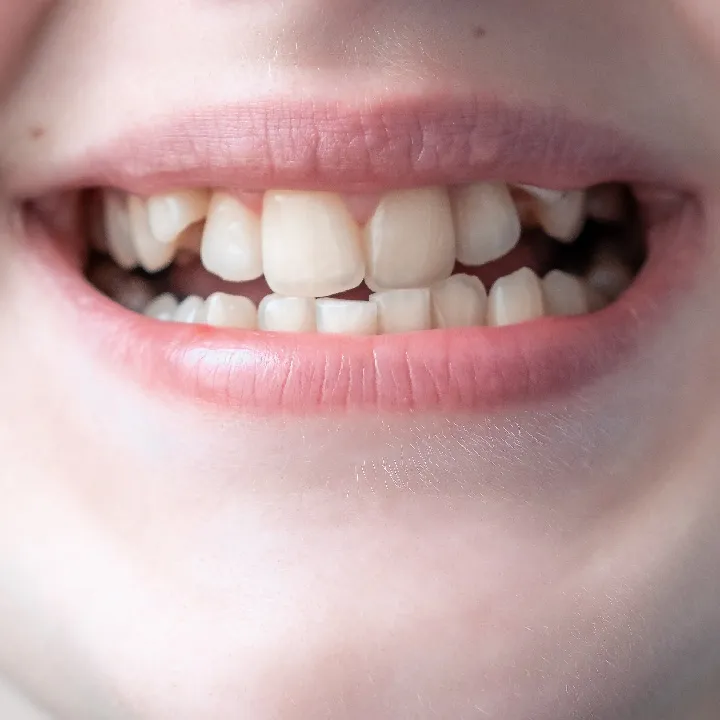
A healthy bite is important for proper chewing, speech development, jaw function, and long-term oral health. As children grow, their teeth and jaws undergo significant changes. While some alignment issues correct themselves naturally, others may develop into bite problems that require orthodontic attention.
Early identification of bite abnormalities can help prevent more complex dental issues in the future. According to Dr. Parijat Pallav, timely orthodontic evaluation allows for appropriate intervention during a child's growth years, often leading to better treatment outcomes.
What Is A Bite Problem?
A bite problem, also known as malocclusion, occurs when the upper and lower teeth do not fit together properly when the mouth is closed.
Bite problems can affect:
- Chewing efficiency
- Speech development
- Jaw function
- Facial appearance
- Oral hygiene maintenance
Some bite issues are mild, while others may require orthodontic treatment.
Common Causes Of Bite Problems In Children
Several factors can contribute to abnormal bite development.
These include:
- Genetics
- Thumb sucking
- Prolonged pacifier use
- Early loss of baby teeth
- Delayed eruption of permanent teeth
- Mouth breathing
- Jaw growth discrepancies
Understanding the underlying cause helps guide treatment planning.
Overbite
An overbite occurs when the upper front teeth excessively overlap the lower front teeth.
Signs Of An Overbite
- Prominent upper front teeth
- Excessive overlap of teeth
- Increased risk of dental trauma
- Difficulty biting certain foods
Mild overbites are common, but significant overbites may require orthodontic correction.
Underbite
An underbite occurs when the lower front teeth extend in front of the upper front teeth.
Signs Of An Underbite
- Forward-positioned lower jaw
- Difficulty chewing
- Facial profile changes
- Speech concerns
Early evaluation is important because underbites may worsen as a child grows.
Crossbite
A crossbite occurs when one or more upper teeth bite inside the lower teeth instead of outside them.
Signs Of A Crossbite
- Teeth appearing misaligned
- Jaw shifting when biting
- Uneven tooth wear
- Facial asymmetry in some cases
Crossbites are often easier to correct when detected early.
Open Bite
An open bite occurs when the upper and lower front teeth do not touch when the mouth is closed.
Common Causes
- Thumb sucking
- Prolonged pacifier use
- Tongue thrusting habits
- Signs Of An Open Bite
- Gap between front teeth when biting
- Difficulty biting food
- Speech challenges
- Mouth breathing tendencies
Early intervention can help improve outcomes.
Crowding
Crowding occurs when there is insufficient space for teeth to align properly.
Signs Of Crowding
Overlapping teeth
Rotated teeth
Difficulty cleaning between teeth
Increased risk of cavities and gum problems
Crowding is one of the most common reasons children require orthodontic treatment.
Spacing Problems
Excessive gaps between teeth can also affect bite function and appearance.
Spacing may occur due to:
- Missing teeth
- Small teeth
- Jaw size differences
- Abnormal tooth development
An orthodontic assessment can determine whether treatment is needed.
Why Early Detection Matters
Early orthodontic evaluation allows specialists to identify developing problems before they become more severe.
Benefits of early assessment include:
- Monitoring jaw growth
- Guiding tooth eruption
- Preventing worsening bite issues
- Reducing future treatment complexity
- Improving oral function
Not all children require immediate treatment, but early monitoring can be valuable.
When Should A Child See An Orthodontist?
Many orthodontists recommend an initial evaluation around the age of 7 years.
Earlier assessment may be needed if parents notice:
- Difficulty chewing
- Mouth breathing
- Protruding teeth
- Jaw shifting during biting
- Persistent thumb sucking
- Speech difficulties
- Crowded or misaligned teeth
Treatment Options For Bite Problems
Treatment depends on the child's age, growth pattern, and severity of the bite issue.
Options may include:
Growth Modification Appliances
Certain appliances can help guide jaw development during growth.
Space Maintainers
Used when baby teeth are lost prematurely.
Braces
Braces help align teeth and correct many bite problems.
Clear Aligners
In selected cases, aligners may be considered for orthodontic correction.
Habit-Breaking Appliances
These may help address habits such as thumb sucking that contribute to bite abnormalities.
Can Bite Problems Affect Overall Oral Health?
Yes. Untreated bite problems may lead to:
- Tooth wear
- Difficulty cleaning teeth
- Increased risk of cavities
- Gum problems
- Jaw discomfort
- Reduced chewing efficiency
Early management can help prevent these complications.
Conclusion
Bite problems such as overbite, underbite, crossbite, open bite, and crowding are common during childhood. While some issues are minor, others can affect oral health, jaw development, speech, and confidence if left untreated.
Dr. Parijat Pallav emphasizes the importance of early orthodontic evaluation to identify developing concerns and provide timely guidance. With appropriate monitoring and treatment, children can achieve healthier bites, improved function, and confident smiles that last a lifetime.
FAQs
Q: What Is The Most Common Bite Problem In Children?
A: Crowding and overbite are among the most commonly seen bite problems in children.
Q: At What Age Should My Child Have An Orthodontic Evaluation?
A: An initial orthodontic assessment is often recommended around age 7 years.
Q: Can Thumb Sucking Cause Bite Problems?
A: Yes. Prolonged thumb sucking can contribute to open bites, protruding teeth, and jaw development issues.
Q: Do All Bite Problems Need Braces?
A: Not necessarily. Treatment depends on the type and severity of the problem and the child's stage of growth.
Q: Can Bite Problems Correct Themselves?
A: Some minor issues may improve naturally, but many bite problems benefit from professional evaluation and monitoring.
Concerned about your child's teeth alignment or bite development? Consult Dr. Parijat Pallav for a comprehensive orthodontic evaluation and personalized treatment plan to support a healthy, confident smile.
Our Location

)

