
Can Clear Aligners Correct a Midline Shift? Understanding Uneven Dental Midlines
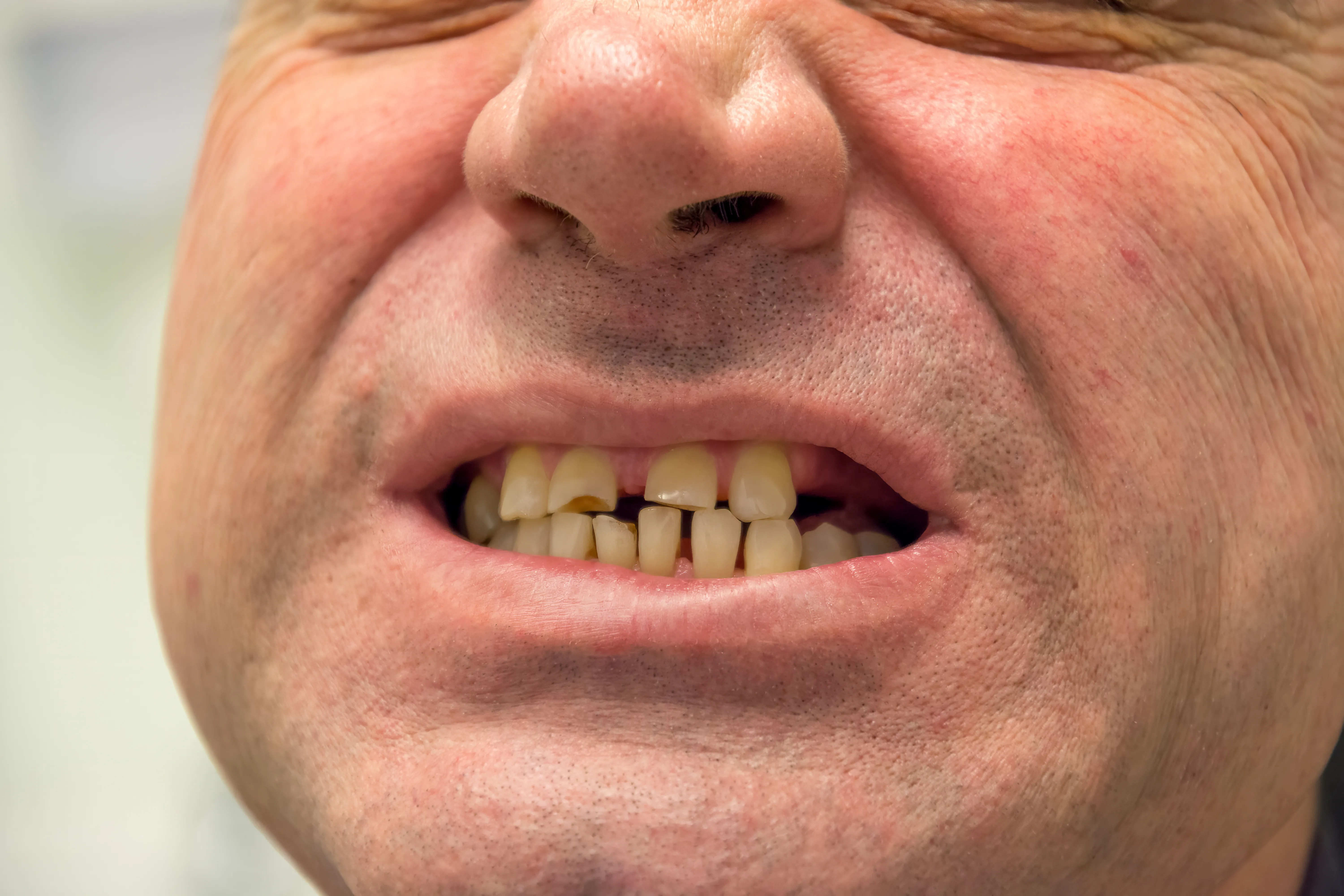
Have you noticed that the centre of your upper front teeth does not line up with the centre of your lower front teeth? This difference is known as a dental midline shift. While it may seem like a small cosmetic concern, an uneven dental midline can sometimes be associated with crowding, missing teeth or bite-related problems.
Many people considering orthodontic treatment wonder whether clear aligners can correct this issue or if traditional braces are necessary.
The answer depends on the cause and extent of the shift. Clear aligners can correct many dental midline discrepancies, particularly when they result from tooth positioning. However, shifts caused by underlying jaw asymmetry or significant skeletal differences may require a more comprehensive treatment approach.
Understanding the reason behind the shift is the first step towards choosing the right treatment.
What Is a Dental Midline Shift?
The dental midline is an imaginary vertical line passing between the two upper front teeth or the two lower front teeth. Ideally, the upper dental midline should align with the centre of the face, while the lower midline should generally correspond with the upper one.
When these lines do not match, the condition is called a dental midline discrepancy or midline shift.
A small difference may not be noticeable during everyday activities. However, a more pronounced shift can affect smile symmetry and sometimes indicate an underlying bite problem.
It is important to understand that the upper and lower dental midlines do not always align perfectly, even in people with otherwise healthy bites. Treatment decisions depend on the overall dental and facial assessment rather than appearance alone.
What Causes an Uneven Dental Midline?
A midline shift can develop due to several dental or skeletal factors.
Crowded Teeth
When there is insufficient space in the jaw, teeth may overlap or move away from their ideal positions. This can cause the dental midline to shift.
Early Loss of Baby Teeth
Losing a baby tooth earlier than expected may allow neighbouring teeth to move into the available space. This can affect the position of permanent teeth as they erupt.
Missing Permanent Teeth
If a permanent tooth is missing, nearby teeth may drift towards the empty space. This movement can create an uneven dental midline.
Uneven Tooth Extraction or Space Changes
Previous tooth extractions or changes in available dental space may cause one side of the dental arch to shift more than the other.
Bite Problems
Certain bite irregularities can cause the upper and lower dental midlines to appear misaligned. Crossbites and other asymmetrical bite patterns may contribute to this problem.
Jaw Asymmetry
In some patients, the shift is related to differences in the size or position of the upper or lower jaw. These skeletal discrepancies may not be corrected through tooth movement alone.
Identifying the cause is important because two people with similar-looking midline shifts may require very different treatment plans.
Can Clear Aligners Correct a Midline Shift?
Yes, clear aligners can correct many dental midline shifts, particularly when the discrepancy is caused by tooth positioning rather than an underlying skeletal problem.
Clear aligners use a series of custom-made trays to apply controlled pressure and gradually move teeth into planned positions.
Depending on the diagnosis, treatment may involve:
- Moving individual teeth towards the centre of the dental arch.
- Creating space to correct crowding.
- Closing gaps caused by missing or extracted teeth.
- Coordinating the upper and lower dental arches.
- Correcting certain bite irregularities associated with the shift.
Attachments, elastic bands or other orthodontic techniques may also be used to support specific tooth movements.
However, not every midline shift can be corrected with aligners alone. The expected outcome depends on the amount of movement required, available space, bite relationship and supporting bone structure.
How Do Clear Aligners Move Teeth to Correct the Midline?
Correcting a dental midline requires careful planning because the movement of one tooth can influence the position of other teeth.
The orthodontist first identifies which dental arch has shifted and whether the discrepancy is caused by crowding, spacing or bite-related factors.
Based on the assessment, a treatment plan may include the following steps:
Digital Treatment Planning
Digital scans and photographs help assess the current tooth positions and plan the required movements. The orthodontist determines how much correction is possible and whether additional procedures are needed.
Creating Adequate Space
If crowding is responsible for the shift, space may need to be created before teeth can move into their planned positions. This may involve interproximal reduction, expansion within appropriate limits or other orthodontic methods.
Gradual Tooth Movement
A series of aligners is used to move selected teeth gradually. Each tray is designed to achieve specific movements according to the treatment plan.
Using Attachments or Elastics
Small tooth-coloured attachments may be placed on selected teeth to improve aligner grip and control movement. Elastics may be recommended in certain cases to help coordinate the bite.
Monitoring Progress
Regular appointments allow the orthodontist to check whether the teeth are moving as planned. Additional aligners or refinements may be required if certain movements need further correction.
When Are Clear Aligners Not Enough to Correct a Midline Shift?
Clear aligners are effective for many dental alignment concerns, but they have limitations.
They may not be sufficient when the midline discrepancy is caused by:
- Significant upper or lower jaw asymmetry.
- Severe skeletal bite discrepancies.
- Major differences in jaw size or position.
- Complex tooth movements that cannot be predictably achieved with aligners alone.
- Severe crowding or other complicated orthodontic conditions.
In such situations, fixed braces or a combination of orthodontic treatment and corrective jaw surgery may be considered.
The decision depends on whether the problem is dental, skeletal or a combination of both.
Does Correcting a Midline Shift Improve Your Smile?
Correcting an uneven dental midline can improve smile symmetry and the overall appearance of the front teeth.
It may also help improve the relationship between the upper and lower dental arches when the shift is associated with a bite problem.
However, perfect alignment of the dental midlines is not always necessary for a healthy bite or attractive smile. Facial symmetry, tooth shape, gum display and the overall bite relationship also influence the final appearance.
An orthodontist considers these factors together rather than focusing only on making two imaginary lines match.
How Long Does It Take to Correct a Midline Shift With Aligners?
The treatment duration varies according to the severity and cause of the discrepancy.
A mild dental midline shift may require less time than a complex case involving crowding, missing teeth or bite correction. Patient compliance also plays an important role.
Clear aligners generally need to be worn for the recommended number of hours each day. Removing them frequently or not following the prescribed schedule can affect treatment progress.
Your orthodontist can provide a more realistic timeline after examining your teeth and preparing a treatment plan.
Get Expert Guidance for Uneven Dental Midlines
An uneven dental midline may be a simple tooth-positioning concern or a sign of a more complex bite or jaw relationship problem. Clear aligners can help correct many such discrepancies, but the right treatment depends on an accurate diagnosis.
Consult Dr. Parijat Pallav, Specialist in Orthodontics and Dentofacial Orthopedics, for an assessment of your dental midline, bite and tooth alignment. A personalised orthodontic plan can help determine whether clear aligners are suitable for achieving a more balanced smile.
Frequently Asked Questions
Q: Can clear aligners correct an upper and lower dental midline mismatch?
A: Yes. Clear aligners can correct many upper and lower dental midline discrepancies caused by tooth positioning. The treatment approach depends on the severity and underlying cause of the mismatch.
Q: Is a dental midline shift only a cosmetic problem?
A: Not always. Some midline shifts are purely cosmetic, while others may be associated with crowding, missing teeth or bite irregularities. An orthodontic evaluation helps identify the cause.
Q: Can a midline shift return after clear aligner treatment?
A: Teeth can shift after orthodontic treatment if retainers are not used as recommended. Wearing retainers according to the orthodontist's instructions helps maintain the corrected tooth positions.
Q: Do I need braces instead of clear aligners for a midline shift?
A: Not necessarily. Many dental midline shifts can be managed with clear aligners. Fixed braces may be recommended for cases requiring more complex or specialised tooth movements.
Q: How do orthodontists identify the cause of a midline shift?
A: Orthodontists examine the teeth, bite and jaw relationship. They may also use digital scans, photographs and X-rays to determine whether the shift is dental, skeletal or a combination of both.
Our Location

)

