
Can Clear Aligners Change Your Facial Profile or Jawline? Understanding the Limitations
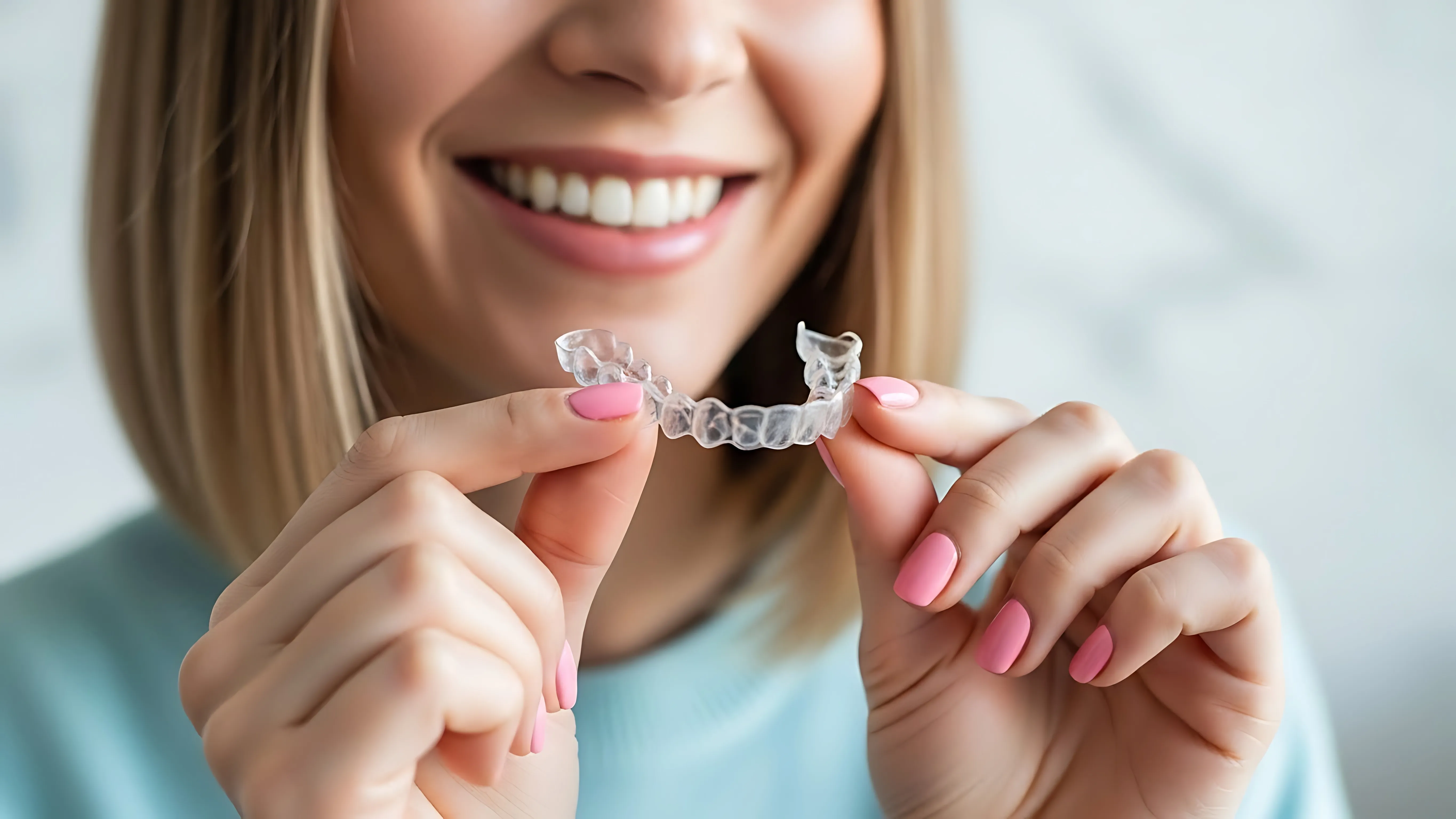
Clear aligners have become a popular choice for people who want to straighten their teeth without wearing traditional braces. They are discreet, removable and designed to gradually move teeth into better positions. However, many patients have another question before starting treatment: Can clear aligners also change the shape of the face or improve the jawline?
The answer depends on several factors, including your age, bite pattern, tooth positions and underlying jaw structure. While orthodontic treatment can influence certain aspects of facial appearance, clear aligners are primarily designed to correct tooth alignment and bite-related problems. They cannot significantly reshape an adult's jawbone or guarantee a sharper jawline.
Understanding these limitations can help you set realistic expectations before beginning treatment.
How Do Clear Aligners Work?
Clear aligners are custom-made, transparent trays that fit over the teeth. Each set applies controlled pressure to specific teeth, gradually moving them towards their planned positions.
Patients usually wear each set for the recommended number of hours daily and change to the next set according to their orthodontist's instructions.
Clear aligners can help manage several orthodontic concerns, including:
- Crowded or overlapping teeth.
- Gaps between teeth.
- Mild to moderate bite irregularities.
- Certain cases of overbite and underbite.
- Crossbite and open bite in suitable cases.
- Teeth that have shifted after previous orthodontic treatment.
The treatment plan is based on a detailed assessment of the teeth, bite and supporting jaw structures.
Can Clear Aligners Change Your Facial Profile?
Yes, orthodontic treatment can sometimes create subtle changes in facial appearance, but the extent depends on the type of correction required.
When teeth are significantly crowded, protruded or incorrectly positioned, moving them into a more appropriate alignment may affect the appearance of the lips and the lower part of the face.
For example, correcting prominent front teeth may change how the lips rest. Similarly, improving the bite can sometimes create a more balanced appearance around the mouth.
However, these changes are generally related to tooth positioning and soft tissue support. Clear aligners do not directly reshape the facial bones.
Can Clear Aligners Give You a Sharper Jawline?
A sharper jawline is often associated with bone structure, muscle development, genetics and the distribution of facial fat.
Clear aligners are not designed to reduce facial fat, increase jaw muscle size or reshape the jawbone. Therefore, they should not be considered a treatment for achieving a more defined jawline.
However, certain orthodontic corrections may influence the way the lower face appears.
For instance, correcting a significant bite discrepancy may improve the relationship between the upper and lower teeth. This can sometimes contribute to a more balanced facial appearance.
The visible change, however, varies from person to person and may be subtle.
Which Facial Features May Change During Aligner Treatment?
Although aligners mainly work on the teeth, some changes in facial appearance may occur as the bite and tooth positions improve.
Lip Position
When protruding front teeth are moved backwards as part of an appropriate treatment plan, the lips may appear less prominent. The extent of this change depends on the original tooth position and the patient's soft tissue characteristics.
Smile Appearance
Correcting crowding, spacing and tooth alignment can improve the appearance of the smile. Better alignment may also change how much of the teeth and gums are visible when smiling.
Lower Facial Appearance
In selected cases, correcting an overbite, underbite or other bite irregularity may influence the appearance of the lower face. However, aligners cannot guarantee a particular facial shape.
Facial Balance
When the teeth meet more appropriately after treatment, the overall appearance around the mouth may look more balanced. This is usually a result of improved dental alignment rather than a change in the underlying facial bones.
What Can Clear Aligners Not Change?
It is equally important to understand what clear aligners cannot achieve.
They Cannot Significantly Reshape Adult Jawbones
In adults, the jawbones have completed most of their growth. Aligners can move teeth within the supporting bone, but they cannot substantially change the size or position of the jawbones.
They Cannot Correct Every Skeletal Jaw Problem
Some patients have significant skeletal discrepancies, where the upper and lower jaws are positioned differently. Clear aligners alone may not be sufficient to correct these conditions.
Depending on the case, treatment may involve growth modification in younger patients, orthodontic appliances or corrective jaw surgery.
They Cannot Create a Sharp Jawline on Demand
A defined jawline is influenced by several factors beyond tooth alignment. Clear aligners cannot directly change facial fat distribution, bone shape or muscle structure.
They Cannot Guarantee Facial Symmetry
Facial asymmetry may be related to differences in bone development, muscle activity or other anatomical factors. Straightening the teeth does not necessarily correct these underlying differences.
Do Clear Aligners Work Differently in Teenagers and Adults?
Age can influence the treatment approach and the type of changes that may be possible.
In Teenagers:
The jawbones may still be developing, depending on the individual's growth stage. In selected cases, orthodontic treatment combined with suitable growth-modifying appliances may help guide jaw development.
However, clear aligners alone do not automatically stimulate significant jaw growth or change facial structure.
In Adults:
Jaw growth is generally complete. Treatment focuses mainly on correcting tooth positions and improving the bite. Any facial changes are usually related to the movement of teeth and their effect on the surrounding soft tissues.
This is why an orthodontic assessment is important before deciding whether aligners are suitable for your concerns.
When Are Clear Aligners Not Enough?
Some orthodontic problems involve more than crooked or crowded teeth. They may be related to the size, position or relationship of the upper and lower jaws.
Examples include:
- Significant skeletal overbite or underbite.
- Severe jaw discrepancies.
- Certain cases of facial asymmetry.
- Complex bite problems involving the jawbones.
- Severe crowding that requires a more comprehensive treatment approach.
In such cases, the orthodontist may discuss alternatives or additional treatment options. These may include fixed braces, growth-modifying appliances for suitable growing patients or orthognathic surgery for selected adults.
The choice depends on the diagnosis, severity of the problem and treatment goals.
How Does an Orthodontist Decide Whether Clear Aligners Are Suitable?
Before recommending clear aligners, an orthodontist evaluates more than just the visible alignment of the teeth.
The assessment may include:
- Checking the position and alignment of the teeth.
- Evaluating how the upper and lower teeth meet.
- Assessing jaw relationships and facial proportions.
- Reviewing photographs and dental scans.
- Taking X-rays when clinically indicated.
- Understanding the patient's expectations and treatment goals.
Digital treatment planning can help demonstrate the expected movement of teeth. However, a digital simulation cannot guarantee the exact final appearance of the face or jawline.
A personalised assessment helps determine whether clear aligners can address the patient's concerns or whether another treatment approach is more appropriate.
Get Expert Guidance Before Choosing Clear Aligners
Clear aligners can improve tooth alignment, correct selected bite problems and sometimes create subtle changes in facial appearance. However, they are not a jawline enhancement treatment and cannot significantly reshape adult facial bones.
Understanding the difference between dental alignment and skeletal correction is essential when setting treatment expectations.
Consult Dr. Parijat Pallav, Specialist in Orthodontics and Dentofacial Orthopedics, for an evaluation of your teeth, bite and jaw relationship. The right treatment plan should focus on both functional correction and a healthy, balanced smile.
Frequently Asked Questions
Q: Can clear aligners make my face look slimmer?
A: Clear aligners do not directly reduce facial fat or make the face slimmer. However, correcting certain tooth positions may create subtle changes around the lips and mouth, depending on the original alignment.
Q: Can clear aligners improve a weak chin or recessed jaw?
A: Clear aligners can correct certain dental bite problems, but they cannot significantly reposition an adult's jawbone or correct every skeletal discrepancy. A specialist assessment is needed to determine suitable treatment.
Q: Do clear aligners change the shape of your nose?
A: No. Clear aligners move teeth and do not directly change the structure or shape of the nose.
Q: Can orthodontic treatment change lip position?
A: Yes. Moving protruding or crowded teeth may influence how the lips rest and appear. The extent of change depends on the original tooth position and individual facial anatomy.
Q: Are clear aligners suitable for correcting jaw misalignment?
A: They may help manage certain mild to moderate bite problems. Significant skeletal jaw discrepancies may require additional orthodontic treatment or corrective jaw surgery.
Our Location

)

