
Metal Braces Vs Ceramic Braces: What's The Difference?
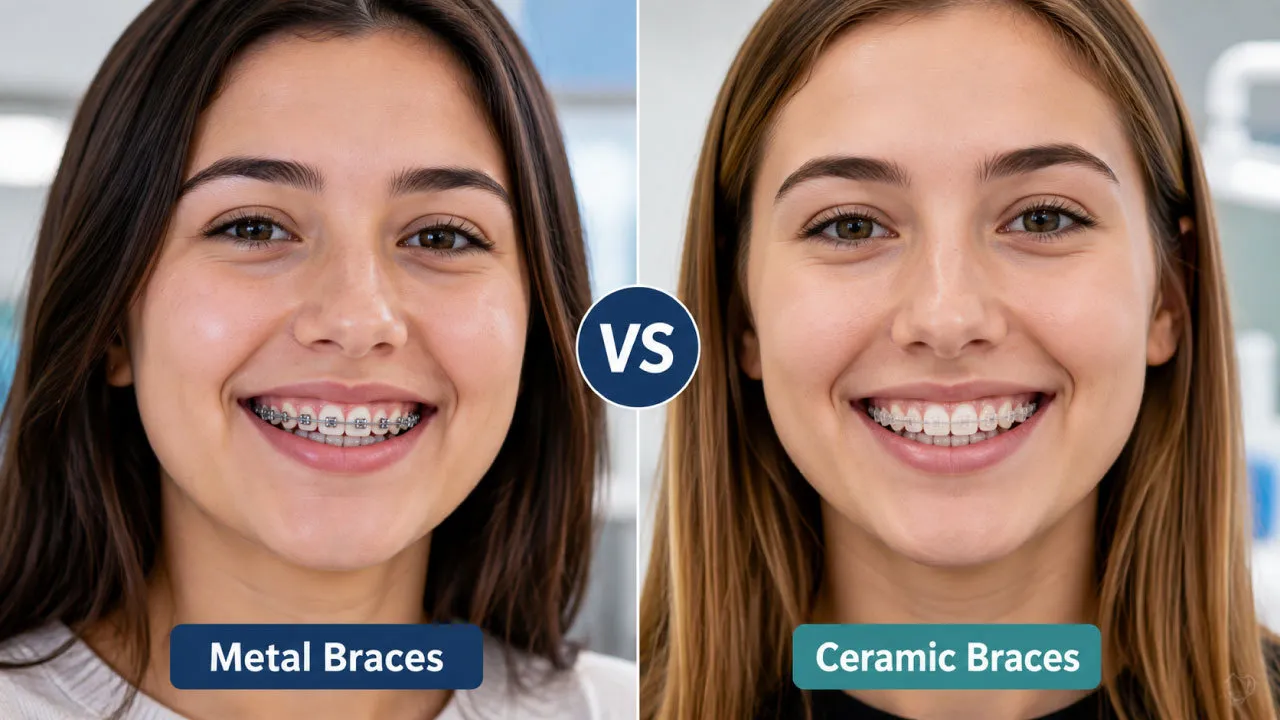
If you've decided to straighten your teeth, one of the first choices you'll make is the type of braces you want. Two of the most popular options are metal braces and ceramic braces. While both are highly effective at correcting crooked teeth and bite problems, they differ in appearance, durability, and cost.
Many patients ask, "Which one is better?" The truth is, neither option is universally better. The right choice depends on your orthodontic needs, lifestyle, and personal preferences. Understanding the differences can help you make a confident and informed decision.
How Do Braces Work?
Both metal and ceramic braces use brackets attached to the teeth and wires that apply gentle, continuous pressure to gradually move teeth into their ideal positions.
They can correct a wide range of orthodontic concerns, including:
- Crowded teeth
- Spacing between teeth
- Overbite
- Underbite
- Crossbite
- Misaligned teeth
Although the materials differ, the basic treatment process is very similar.
What Are Metal Braces?
Metal braces are made from high-grade stainless steel and remain the most commonly used type of braces worldwide.
Today's metal braces are much smaller, smoother, and more comfortable than those used years ago. They are designed to withstand daily chewing forces while providing precise tooth movement.
Advantages of Metal Braces
- Highly durable and strong
- Suitable for simple and complex orthodontic cases
- Less likely to chip or break
- Generally more affordable than ceramic braces
- Available with colorful elastic bands for younger patients
The main drawback is that they are more visible when you smile.
What Are Ceramic Braces?
Ceramic braces function similarly to metal braces but use tooth-colored or clear brackets that blend more naturally with your teeth.
Because they are less noticeable, ceramic braces are often chosen by older teenagers and adults who want a more discreet orthodontic treatment.
Advantages of Ceramic Braces
- Less visible than metal braces
- Blend well with natural teeth
- Suitable for many orthodontic problems
- Popular among working professionals and adults
Ceramic braces offer an attractive balance between effectiveness and appearance.
What Are the Differences?
Appearance
The biggest difference is how noticeable the braces are. Metal braces are clearly visible, while ceramic braces are designed to blend in with your teeth, making them a more discreet option.
Strength
Metal brackets are generally stronger and more resistant to breakage. Ceramic brackets are durable but can chip or fracture if subjected to excessive force.
Staining
The ceramic brackets themselves resist staining, but the small elastic ties used with them may discolor if exposed frequently to foods and beverages such as coffee, tea, turmeric, or red wine. Regular adjustments help replace these elastics and maintain their appearance.
Comfort
Both options are designed with patient comfort in mind. While ceramic brackets may feel slightly smoother to some patients, most people adapt quickly to either type within a few days.
Cost
Ceramic braces are usually more expensive because of the materials used and their aesthetic benefits.
Which Option Is Right for You?
The best choice depends on several factors, including:
- The complexity of your orthodontic problem
- Your age
- Your lifestyle
- Your budget
- How important appearance is during treatment
For patients with more complex bite problems, metal braces may sometimes be recommended because of their strength and durability. If appearance is a major concern and your orthodontic needs are suitable, ceramic braces can be an excellent alternative.
Your orthodontist will recommend the option that offers the best balance of function, aesthetics, and long-term results.
Caring for Your Braces
Whether you choose metal or ceramic braces, good oral hygiene is essential throughout treatment.
To protect your teeth and braces:
- Brush after every meal
- Clean between the brackets using interdental brushes or flossing aids
- Avoid biting hard foods or ice
- Limit sticky foods that may damage brackets
- Attend all scheduled orthodontic appointments
Taking good care of your braces helps keep treatment on track and supports better oral health.
The Best Braces Are the Ones That Suit Your Needs
Both metal and ceramic braces are excellent options for achieving a straighter, healthier smile. While metal braces offer exceptional strength and affordability, ceramic braces provide a more discreet appearance without compromising treatment effectiveness for many patients.
Rather than focusing on which type is "better," it's more important to choose the option that's best suited to your orthodontic needs and lifestyle. A personalized consultation can help you understand which treatment is likely to deliver the best results.
Compare Your Braces Options With Dr. Parijat Pallav
If you're considering braces and aren't sure whether metal or ceramic braces are right for you, consult Dr. Parijat Pallav, Orthodontist. A comprehensive evaluation can help determine the most suitable treatment based on your smile, bite, lifestyle, and expectations, ensuring you achieve healthy, long-lasting results.
Frequently Asked Questions
Q: Are ceramic braces as effective as metal braces?
A: Yes. For many patients, ceramic braces are just as effective as metal braces. Your orthodontist will determine whether they are suitable for your specific case.
Q: Do ceramic braces stain easily?
A: The brackets are stain-resistant, but the elastic ties may discolor over time. These are replaced during regular adjustment visits.
Q: Which braces are more durable?
A: Metal braces are generally stronger and less likely to chip or break than ceramic braces.
Q: Are ceramic braces more expensive?
A: Yes. Ceramic braces typically cost more because of their aesthetic appearance and materials.
Q: Which braces are better for adults?
A: Many adults choose ceramic braces because they are less noticeable, but the best option depends on your orthodontic needs and treatment goals.
Our Location

)

