Braces Care: Do’s And Don’ts
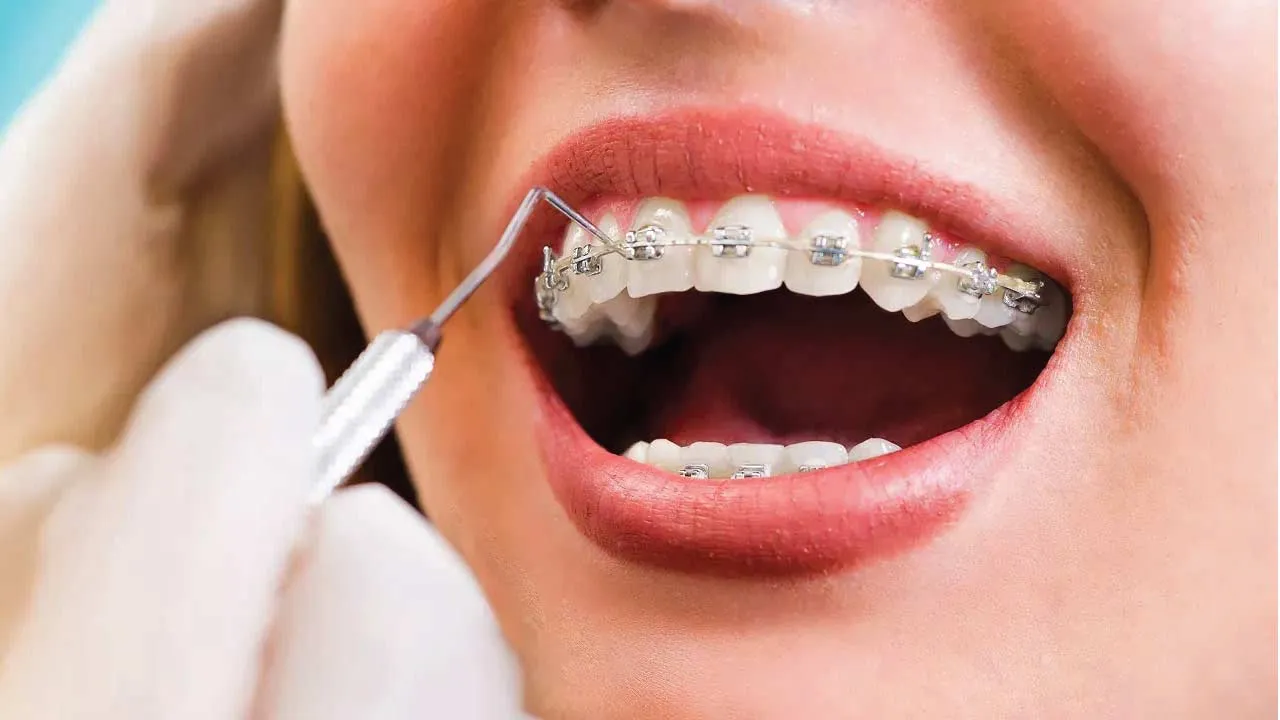
Getting braces is an important step toward achieving healthier teeth and a better-aligned smile. However, braces require proper care and maintenance throughout the treatment period to ensure effective results and prevent dental problems. Many patients are unsure about what they should or should not do after getting braces, especially during the initial adjustment phase.
At Dr. Parijat Pallav’s Dental Practice, patients receive personalized orthodontic guidance focused on maintaining oral hygiene, protecting braces, and ensuring smooth treatment progress for long-term oral health.
Why Proper Braces Care Matters
Braces gradually move teeth into their correct positions using brackets, wires, and gentle pressure. Since braces remain attached to the teeth for months or years, food particles and plaque can easily collect around them if oral hygiene is neglected.
Proper braces care helps:
- Prevent tooth decay
- Reduce gum problems
- Avoid staining around brackets
- Protect braces from damage
- Improve treatment results
- Shorten unnecessary treatment delays
Good habits during orthodontic treatment are essential for achieving a healthy and confident smile.
Common Challenges During Braces Treatment
Patients may initially experience:
- Mild soreness
- Difficulty chewing
- Food getting stuck
- Mouth irritation
- Speech adjustment
These issues are usually temporary and improve as the mouth adapts to braces.
Do’s Of Braces Care
Brush Your Teeth Carefully
Brushing becomes even more important during braces treatment.
Patients should:
- Brush after every meal if possible
- Use a soft-bristled toothbrush
- Clean around brackets and wires gently
- Brush for at least two minutes
Special orthodontic brushes may help clean difficult areas more effectively.
Floss Daily
Food and plaque often get trapped between teeth and under wires.
Using:
- Orthodontic floss threaders
- Water flossers
- Interdental brushes
can help maintain gum health and prevent cavities.
Attend Regular Dental Visits
Routine orthodontic appointments help ensure braces are working properly and treatment is progressing as planned.
Regular visits also allow dentists to:
- Adjust wires
- Check oral hygiene
- Identify problems early
- Prevent treatment delays
Eat Braces-Friendly Foods
Soft foods are often easier and safer for braces, especially after adjustments.
Good options include:
- Soft fruits
- Yogurt
- Rice
- Pasta
- Soup
- Cooked vegetables
- Soft bread
- Smoothies
Cutting food into smaller pieces can also help reduce pressure on braces.
Use Orthodontic Wax If Needed
Orthodontic wax may help reduce irritation from brackets rubbing against the cheeks or lips.
Wear Protective Mouthguards During Sports
Patients participating in sports should wear mouthguards to protect both teeth and braces from injury.
Follow Your Orthodontist’s Instructions
Every orthodontic treatment plan is different. Following professional advice carefully helps improve outcomes and avoid unnecessary complications.
Don’ts Of Braces Care
Avoid Hard Foods
Hard foods can damage brackets and wires.
Foods to avoid include:
- Hard candies
- Ice cubes
- Nuts
- Popcorn kernels
- Hard biscuits
- Avoid Sticky Foods
Sticky foods may pull brackets loose or become difficult to clean.
Avoid:
- Chewing gum
- Caramel
- Sticky candies
- Toffees
- Do Not Bite Directly Into Hard Foods
Biting directly into apples, corn on the cob, or hard sandwiches can damage braces.
It is better to:
- Cut food into smaller pieces
- Chew carefully using back teeth
- Avoid Sugary Foods And Drinks
Sugary foods increase plaque buildup around brackets, raising the risk of cavities and white spots on teeth.
Limit:
- Soft drinks
- Chocolates
- Sugary snacks
- Sweetened beverages
- Do Not Ignore Loose Brackets Or Wires
Loose brackets or poking wires should not be ignored.
Delaying repairs may:
- Slow treatment progress
- Cause discomfort
- Damage teeth or gums
Patients should contact their dentist if braces become damaged.
Avoid Nail Biting Or Chewing Objects
Habits such as nail biting, pen chewing, or opening packages with teeth can damage braces and teeth.
How To Manage Braces Discomfort
Some discomfort is normal after getting braces or after adjustments.
Helpful tips include:
- Eating soft foods
- Rinsing with warm salt water
- Using orthodontic wax
- Staying hydrated
- Taking medications only if advised by the dentist
Discomfort usually improves within a few days.
Importance Of Oral Hygiene During Braces Treatment
Poor oral hygiene during orthodontic treatment may lead to:
- Cavities
- Gum disease
- Bad breath
- White spots on teeth
- Plaque buildup
Cleaning teeth properly around braces is extremely important for maintaining healthy teeth and gums.
Can Braces Affect Daily Activities?
Most patients adjust well to braces within a short time.
Initially, braces may slightly affect:
- Eating habits
- Speech clarity
- Mouth comfort
However, most normal activities can continue without major restrictions.
What Happens If Braces Are Not Cared For Properly?
Neglecting braces care may lead to:
- Broken brackets
- Delayed treatment
- Tooth decay
- Gum inflammation
- Poor orthodontic results
Consistent care throughout treatment helps ensure the best possible outcome.
Tips For Parents Of Children With Braces
Parents can help children by encouraging:
- Regular brushing and flossing
- Healthy eating habits
- Timely orthodontic visits
- Avoiding harmful foods
- Reporting discomfort or loose brackets early
Support and encouragement often improve treatment success.
Life After Braces
Once braces are removed, retainers are often recommended to help maintain teeth alignment.
Patients should continue:
- Good oral hygiene
- Regular dental checkups
- Retainer use as instructed
Maintaining dental health after braces is just as important as the treatment itself.
When Should You Contact Your Orthodontist?
You should seek dental advice if you experience:
- Loose brackets
- Broken wires
- Severe pain
- Gum swelling
- Persistent mouth sores
- Difficulty eating
Prompt attention helps prevent complications and treatment delays.
Conclusion
Braces treatment can significantly improve teeth alignment, oral function, and smile confidence, but proper care is essential throughout the process. Following the right do’s and avoiding harmful habits can help protect braces, maintain oral health, and ensure smoother treatment progress.
At Dr. Parijat Pallav’s Dental Practice, patients receive personalized orthodontic guidance and comprehensive dental care focused on achieving healthy, confident, and long-lasting smiles.
FAQs
Q: How often should I brush my teeth with braces?
A: Ideally, you should brush after every meal to remove food particles and plaque around braces.
Q: Can I eat chips or popcorn with braces?
A: Hard and crunchy foods like popcorn may damage braces and are generally best avoided.
Q: Why is flossing important during braces treatment?
A: Flossing helps remove trapped food and plaque between teeth and under wires to prevent gum disease and cavities.
Q: What should I do if a bracket becomes loose?
A: Contact your orthodontist for evaluation and repair to prevent treatment delays.
Q: Are braces painful?
A: Mild discomfort or soreness is common after adjustments, but it usually improves within a few days.
Q: Can adults get braces?
A: Yes, orthodontic treatment can help improve teeth alignment and oral health at any age.
Our Location

)

